
AI automation
AI automation is the work of mapping a repetitive manual process and rebuilding it so software — AI included, where it earns its place — does the repeating. We find the copy-paste jobs, the re-keyed forms and the handoffs that go quiet, then wire the tools you already pay for into one path.
Stop paying people to copy and paste. The outcome people actually want: hours back every week, and no more leads dropped between two systems.
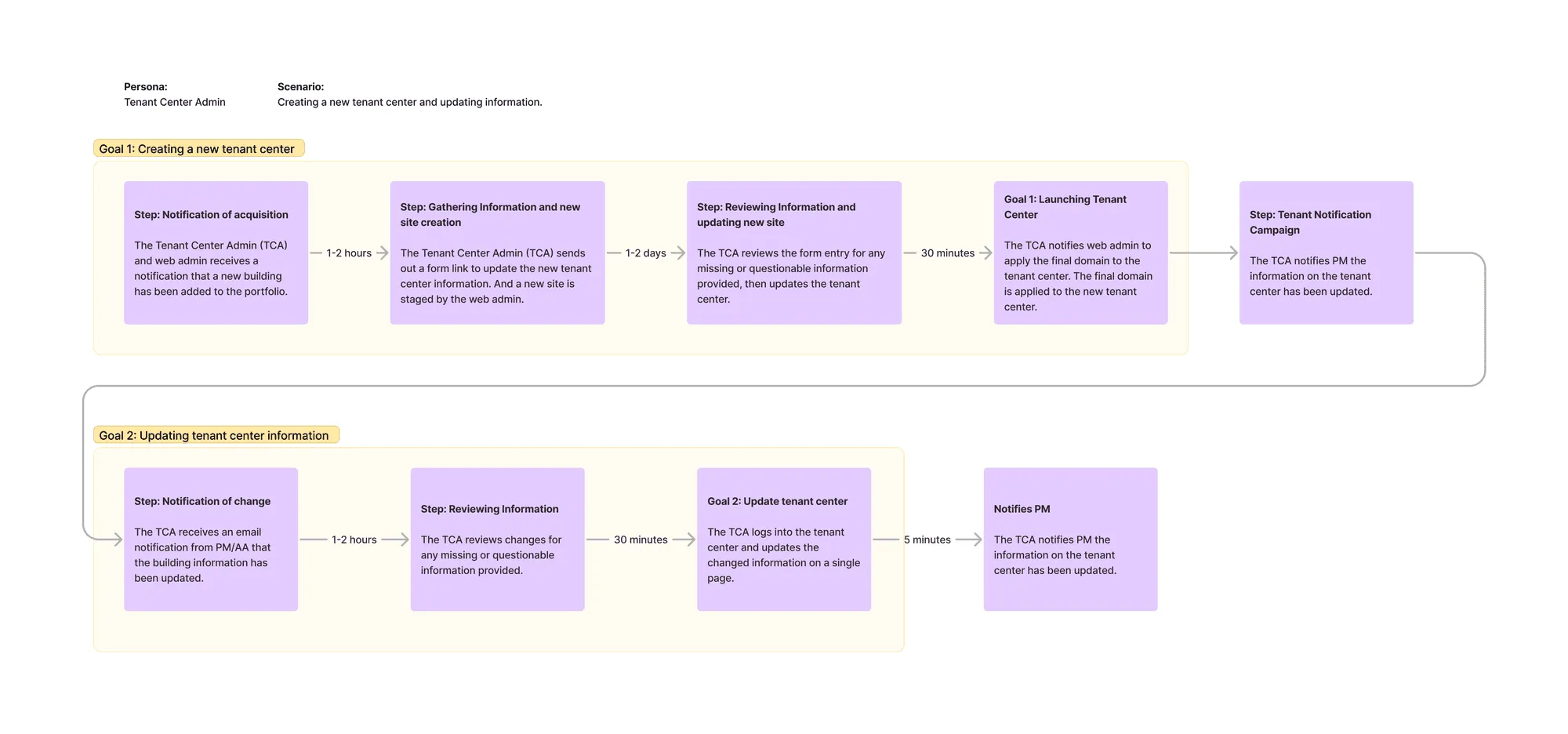
Nobody sets out to build a manual process.
It accumulates. A tool gets added for one reason, a spreadsheet bridges a gap, someone agrees to send a weekly summary, and two years later there's a person whose Monday is spent moving rows between systems that were each bought to save time.
- The same information is typed into more than one place.
- Enquiries arrive somewhere nobody is watching after 5pm.
- Reporting takes a day to assemble and is wrong by the time it lands.
- Onboarding a customer relies on one person remembering the steps.
What you get, in order.
A process map
Every step as it actually happens today, including the undocumented ones. Yours to keep either way.
A prioritised list
What to automate first, what to leave alone, and what's a policy problem rather than a software one.
The build
Integrations, forms, routing, notifications and the error handling for when something upstream breaks.
Handover and training
Documentation written for your team, plus a session so someone internal can change it without us.
Who this is for.
Established businesses with real volume and fragmented tooling — service companies, professional services, healthcare-adjacent operations, anyone whose growth has outrun the way they set things up.
It's a poor fit if the process is still changing weekly, or if nobody internally can own the tools once they're wired up. We'll say so early.
What makes it bigger or smaller.
Smaller
- One process
- one team
- Tools with real APIs
- A decision-maker in the room
- Clean data to start from
Bigger
- Several departments involved
- Legacy software with no API
- Compliance or audit requirements
- Data that has to be cleaned first
No numbers here — we'll put one in writing after we've seen it.
Before, during, and after.
Scope the build — or map the process first
If the process is clear, we scope the build directly. If it isn't, we start with a Process Deep Dive, so we automate the right thing. Either way you get the process map and the priority list.
Build in slices
One workflow at a time, live and in use before the next one starts. Nothing sits in a branch for six weeks. Timeline depends on how many systems have to be touched.
Managed, or handed over
Monitoring, troubleshooting and small adjustments as an ongoing managed service — or a documented handover if you’d rather run it in-house. Both are fine. New systems are scoped separately.
An email chain, rebuilt as a tracked workflow.
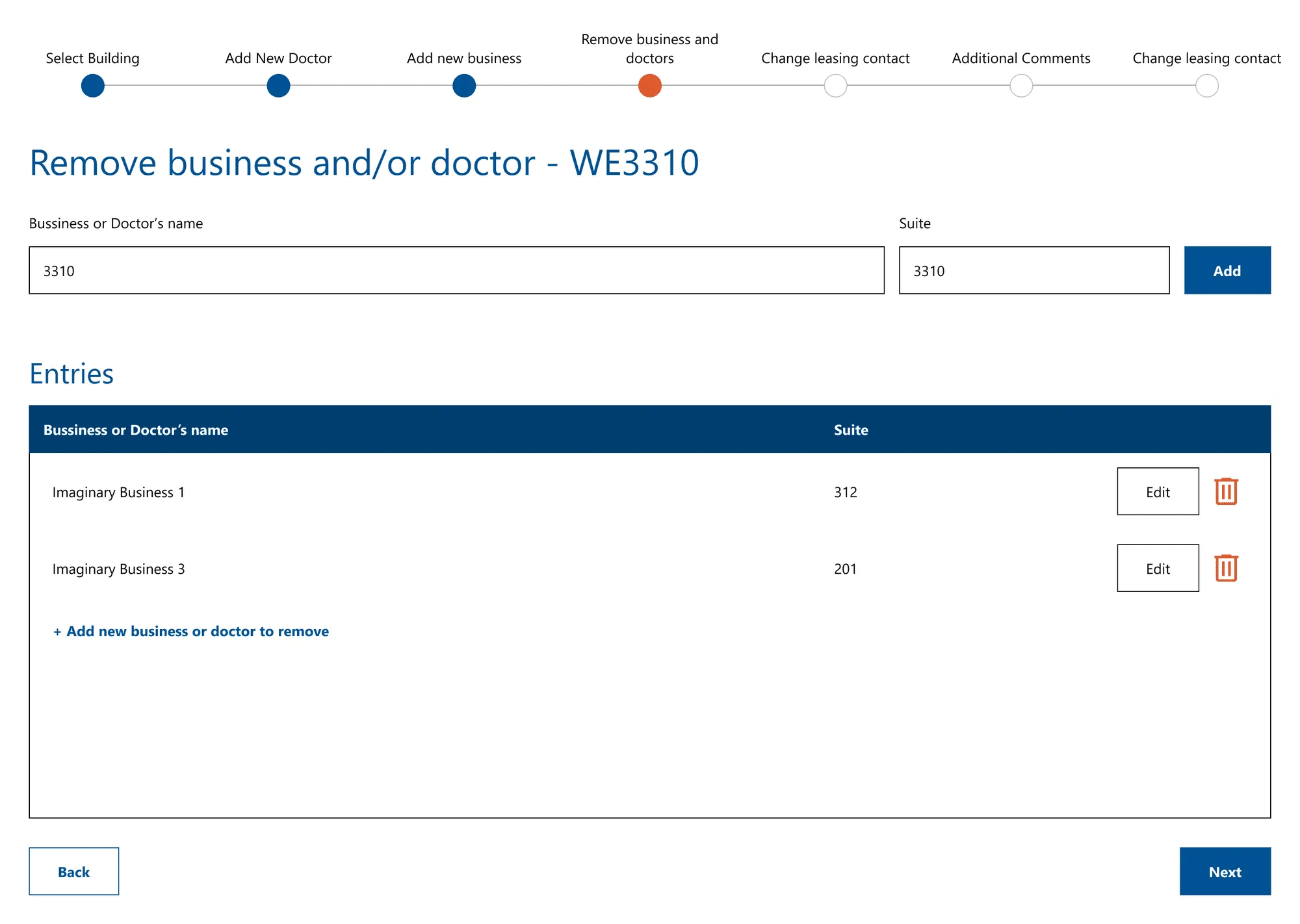
Directory change requests
Founder experience, led in-house: a structured request form with built-in tracking replaced email chains — with 50% fewer errors.
Read the case study →What people ask about AI automation.
How much does AI automation cost?
There's no price on this page and no starting-at figure, because the honest answer depends on how many systems have to be touched. We scope it during discovery and put a fixed number in writing before any build begins.
How long does an AI automation project take?
Discovery usually runs two to three weeks. The build is delivered in slices, with the first workflow live before the next one starts, so you see value before the whole thing is finished.
Do we have to replace our current tools?
Usually not. The first move is to make what you already pay for work together. Replacing a tool is a recommendation we make only when integration genuinely isn't possible.
Which tools do you use?
Whatever fits your stack. We work with the native integrations and APIs of the tools you already pay for, integration platforms where they make sense, and AI models where they earn their place. We’re not tied to any one vendor, so the recommendation is about what works for you.
What happens if an automation breaks?
It will, eventually — an API changes or a vendor deprecates something. Every build ships with monitoring and error alerts so a silent failure doesn't quietly cost you a month of enquiries.
Is this AI, or is it integrations?
Both, where each one earns its place. Deterministic integrations handle anything that has to be right every time. AI-assisted steps handle summarising, drafting and classifying, with a human check where the cost of being wrong is high.
Do we need to buy anything else from you first?
No. Automation stands on its own. You don’t need a creative engagement or a consultation to start — though if the process is unclear, we’ll suggest mapping it first.