Web development
Web development is turning a design into a working site — fast, accessible, readable by search engines, and connected to the tools behind it. We build on whichever platform fits, so the finished site stays editable by your team instead of locked behind a developer.
The outcome people actually want: a site that loads fast, works for everyone, and doesn't need us to change a headline.
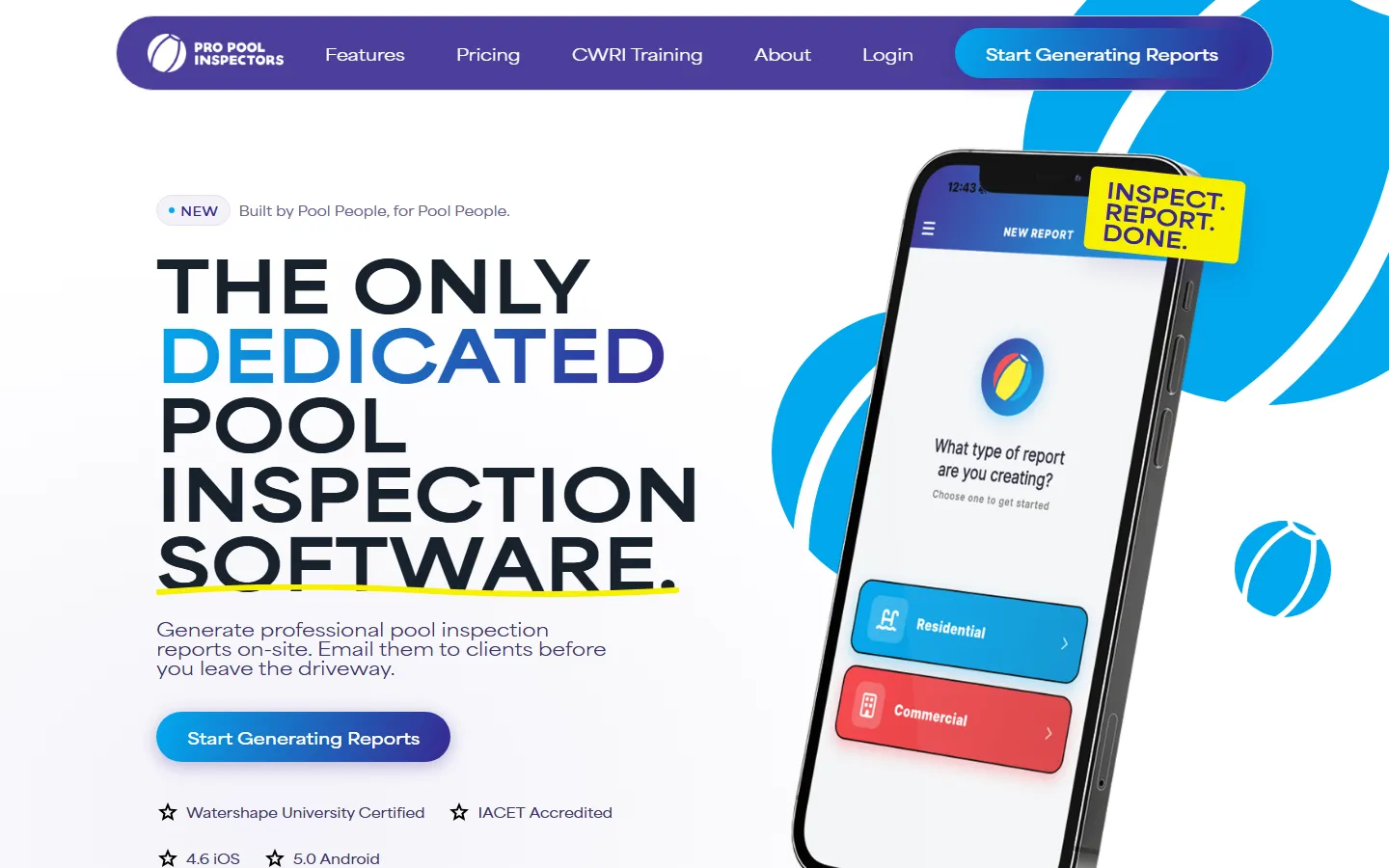
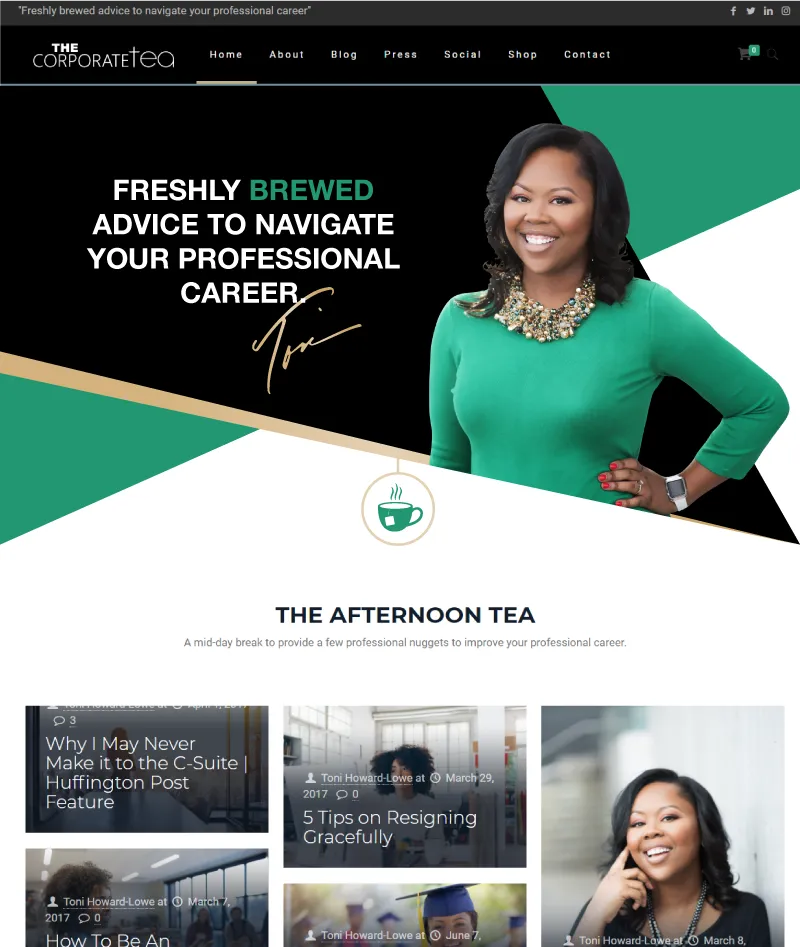
A good design can still become a bad website.
Most of what goes wrong with a site happens after the design is signed off: pages that crawl on a phone, forms that email a shared inbox nobody checks, a CMS so fiddly that nobody updates it, and a site that quietly fails basic accessibility checks.
- Every small change needs a developer and a ticket.
- The site is slow on mobile and nobody knows why.
- Form submissions land in an inbox instead of your CRM.
- You're not sure who owns the hosting, the domain or the logins.
What you get, in order.
A build plan
The platform choice with the reasoning written down, the CMS structure, and every integration the site needs.
The build
Responsive, accessible pages, a CMS set up for the content you actually publish, and forms wired to where they need to go.
Launch checks
Speed, accessibility, redirects, analytics, search setup and structured data — checked before launch, not after complaints.
Ownership and training
Everything in your accounts, documented, with a session for whoever will be editing the site.
Who this is for.
Businesses with a design they like — ours or someone else's — that needs building properly. Also teams stuck on an old platform who want to move to something they can edit themselves.
It's a poor fit for complex web applications with user accounts and custom back ends. We'll say so, and point you somewhere better suited.
What makes it bigger or smaller.
Smaller
- A finished design to build from
- Standard pages and a blog
- Content ready to move
- Few integrations
Bigger
- Migrating from an old platform
- Many CMS collections or locations
- Custom integrations or booking
- Accessibility fixes across existing content
No numbers here — we'll put one in writing after we've seen it.
Before, during, and after.
Build plan, about a week
We confirm the platform, map the CMS, list the integrations and plan redirects from the old site. You sign off the plan before the build starts.
Build in sections
Templates first, then pages, with a staging link you can click through as it comes together.
Launch and look after
Launch-day checks, a follow-up review a few weeks later, and optional ongoing support if you'd rather not touch it at all.
A network of sites anyone on the team can update.
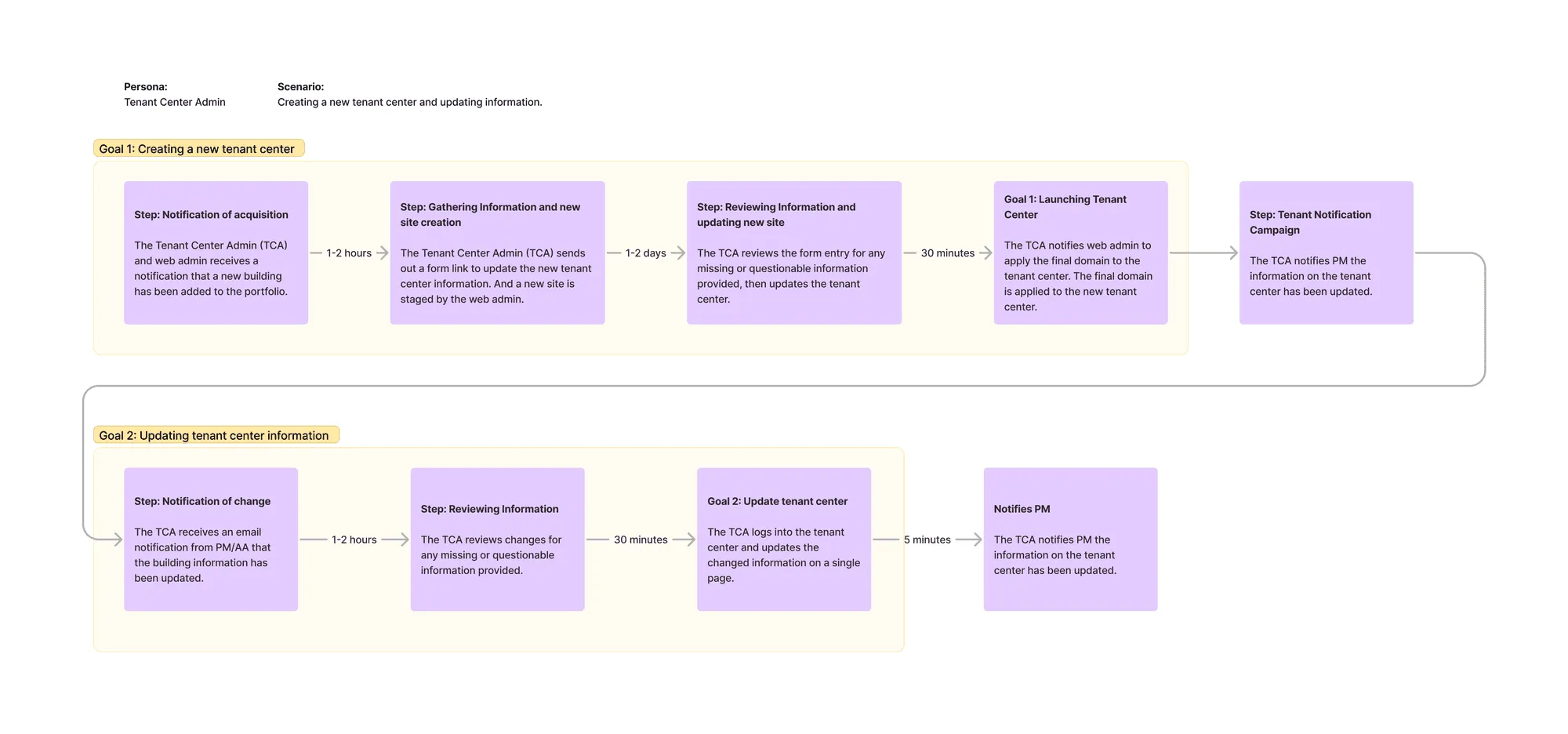
Tenant site network
Founder experience, led in-house: a custom multi-site web platform and standardised intake that cut site updates from days to minutes.
Read the case study →What people ask about web development.
Which platform do you build on?
Whichever fits the job. We choose the platform around what the site has to do and who will run it day to day — ease of editing, speed, integrations and cost — and explain the choice before you commit. We’re not tied to one tool, so the recommendation is about your business, not our habits.
Will we be able to edit the site ourselves?
Yes. We build on platforms your team can update without a developer on call — no plugin bloat, no maintenance tax, no waiting on anyone to change a headline — and we train whoever will be doing it before we hand over.
Can you build from someone else’s design?
Yes. We review it first and flag anything that will be hard to build, slow to load or awkward to edit — it's cheaper to fix in the design file than in the build.
How do you handle accessibility?
We build to WCAG 2.2 AA: semantic structure, keyboard access, visible focus, sufficient contrast and labelled forms. We test before launch and fix what we find.
Do you hand over the files and accounts?
Always. Everything is built in your accounts, under your ownership, documented so another team could pick it up. We are not a hostage-taking arrangement.
Do you offer ongoing support?
Yes. Updates and improvements after launch run through an ongoing creative engagement with reserved monthly capacity. Larger changes are scoped as their own project.