
Proving an idea with a prototype before anyone built it.
A new internal tool, tested with real users before it was built, for a national healthcare real estate company.
Employees could, in theory, swap surplus parts and equipment across the portfolio instead of buying new. Hardly anyone did. Our founder led the research and prototype to find out why — and whether it was worth building.
What the testing showed.
65%
Test users who preferred the prototype to the email process
Prototype testing
Figures as reported at the time. The prototype was not launched.
- Client
- A national healthcare real estate company (in-house).
- Engagement
- In-house role.
- What we did
- Stakeholder research, solution options, wireframes, high-fidelity prototype, usability testing.
A good idea nobody used.
The exchange existed, but people didn’t know about it, the interface was hard to use, posting and claiming items relied on email, and without visibility everyone defaulted to buying new. The result was unnecessary spending, duplicate purchases and wasted storage.
The question.
How might we get more people aware of, and actually using, the exchange? The aim was a prototype clear enough to validate the idea, an approach that fitted the tools people already used, and evidence of savings before committing to a build.
What was done.
- Interviewed operations and marketing leaders, and end users across engineering, property management and accounting, and ran listening tours to see where adoption broke down.
- Weighed three approaches — a standalone site, a low-code app, and an enhanced version of the existing intranet with forms and automated workflows — against security and licensing cost.
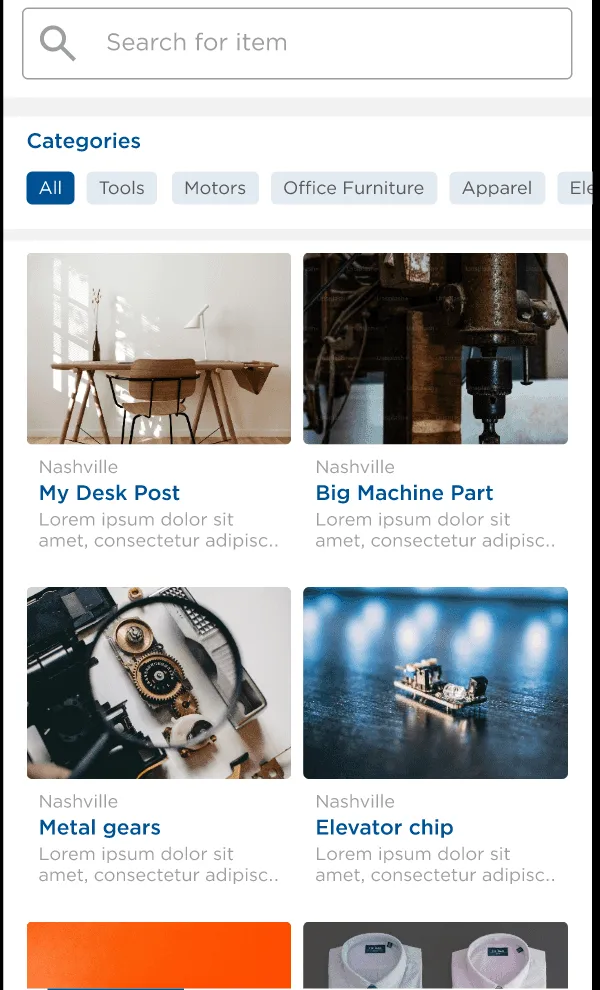
- Designed wireframes and a high-fidelity prototype with item listings, search, filters and a posting form.
- Ran hallway usability tests with engineers and staff, iterated on the feedback, and documented the workflows and specs for a future build.
More work.
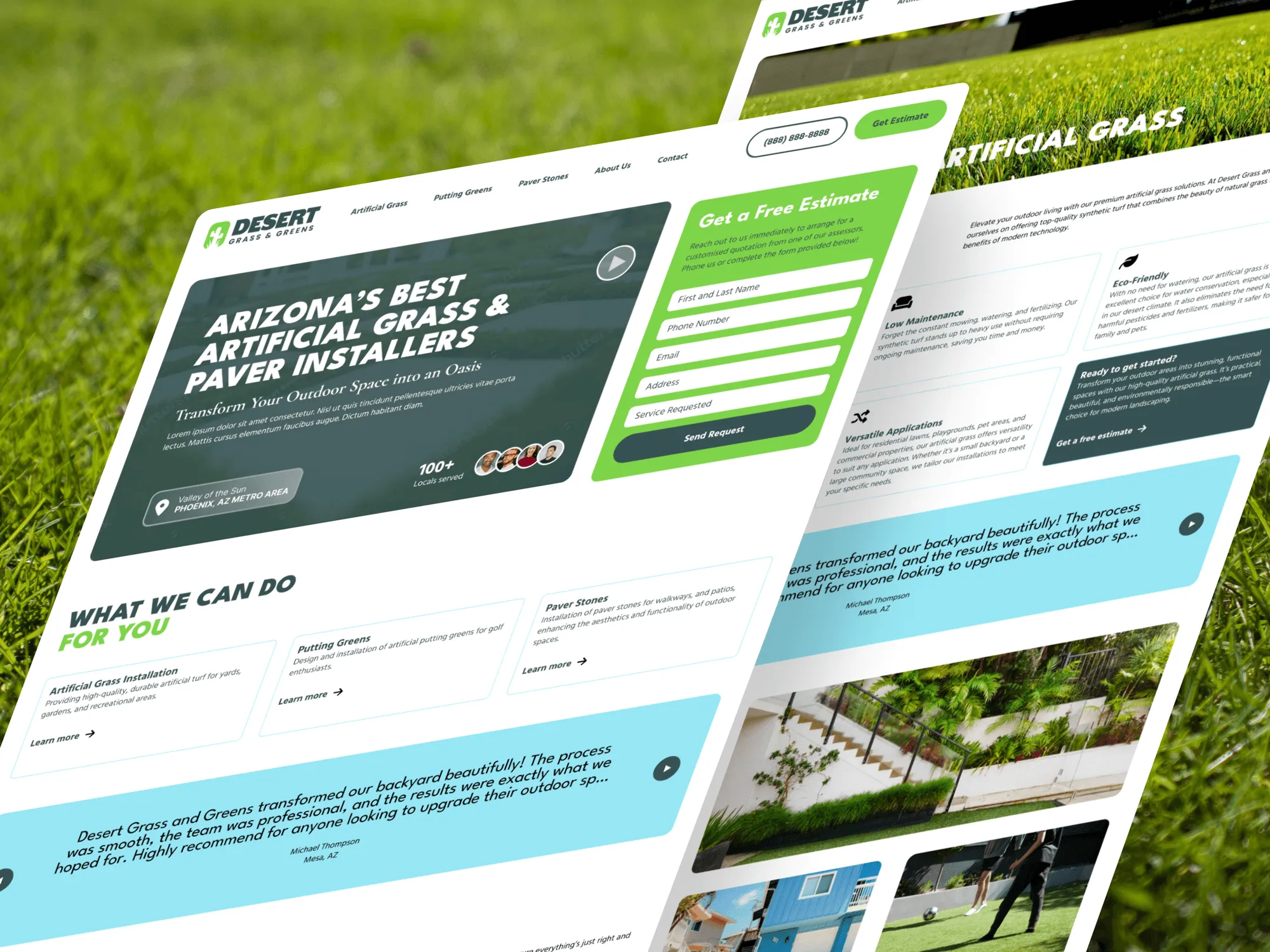
Desert Grass and Greens
Brand identity, website and SEO for an artificial turf installer.
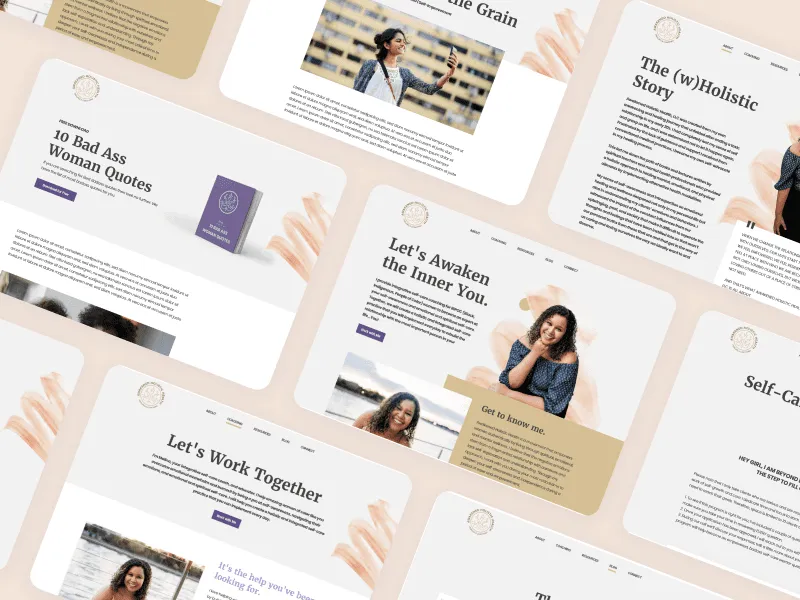
Awakened Holistic Health
Rebrand, website redesign and sign-up flow for a holistic wellness practice.
Got a brief you're not sure about?
Bring it anyway. Half the value of the first conversation is finding out the brief was pointed at the wrong thing.